Should fans be allowed to make their own mods and fan games for video games? Where is the line between fair use and copyright infringement?
The Right to Play
Let’s do a little thought experiment. Suppose you and I decide we want to play a riveting game of Uno, the classic card game with a slight Spanish flair. We realize that neither of us own the game, so you head to a store and exchange some agreed-upon amount of money for your own copy of Uno.

This particular physical copy of Uno now belongs to you. You own the box and the cards within the box. If you want to play a game of Uno with me, you can, since you own the game.
In fact, now that you’ve purchased it, you can do just about anything with your particular copy of Uno. If you aren’t happy about me playing a “Wild Draw 4” card, you can pick the card up in disgust and tear it to pieces. Or you can tell me that you are changing the rules, and the card now forces whoever plays it to draw four cards. I might not want to play with you anymore, but technically speaking, you’re not breaking any laws. The Fun Police aren’t going to come busting down your door for committing a crime against gaming. As long as whatever you’re doing is with your specific copy of Uno, you can do whatever you want.
The Right to Create
You can do whatever you want, that is, except reproduce and redistribute copies of Uno. Copyright laws get pretty messy, but the one thing they’re clear about is that you cannot reproduce and redistribute something that you don’t hold the rights to. For physical goods, I don’t think anyone would argue about this. If anyone could make and sell exact copies of Uno, then the people who invented the game wouldn’t benefit more from creating it than anyone else. Economically speaking, this would be a disaster, since no one would have any incentive to innovate. Everyone would wait until someone else comes up with an idea and then steal it.
Thus, copyright laws serve an undeniably important function in protecting the original creators’ rights to anything they make.
How far does this protection reach, though?
Suppose you come up with a thrilling new set of rules for Uno and post them online. Is this copyright infringement? Certainly not. You’re not redistributing the original game. In fact, your new rules might even make Uno more popular. The publisher would probably appreciate the additional publicity.
What if you make a few custom Uno cards and include them with your new rules so that people can print them out? Again, this is probably fine. People still need the base Uno game to use your additions, and you’re not redistributing the source material for the game.
Now, what if you create an entirely custom set of Uno-inspired cards that can be used without the base game and distribute them online? Is this copyright infringement? That depends. Are your custom cards just a reskin of the original Uno cards, or do they create a fundamentally different kind of game from Uno? How far from the original Uno game does your version of Uno need to be to avoid copyright infringement? And who has the authority to make a decision about this?
Unsurprisingly, the answer isn’t clear. Copyright laws are messy, and while they have good intentions and serve critical functions, they haven’t really kept up with the times. This is especially true for video games, where everything exists in the form of zeroes and ones on a cartridge, disk, hard drive, or something else.
Video Games: The Final Boss of Copyright Laws
In the digital realm of video games, what constitutes a copyright violation is rarely clear, apart from explicitly redistributing games. Passionate fans often create mods for games that add new features and modify existing elements. Others create fan games that take some assets from the source material but add so much new content that the experience is quite different. Still others build entire remakes of games from the ground up, copying nothing from the source material but concepts and ideas. So where do these passion projects fall in the scrutinizing eyes of copyright lawyers?
The reality is that copyright law seems to depend entirely on the opinions of the developers and publishers of the original games. Let’s take a quick look at how a few notable companies view mods and fan games that use their intellectual properties.
Bethesda: “Uh… Sure?”
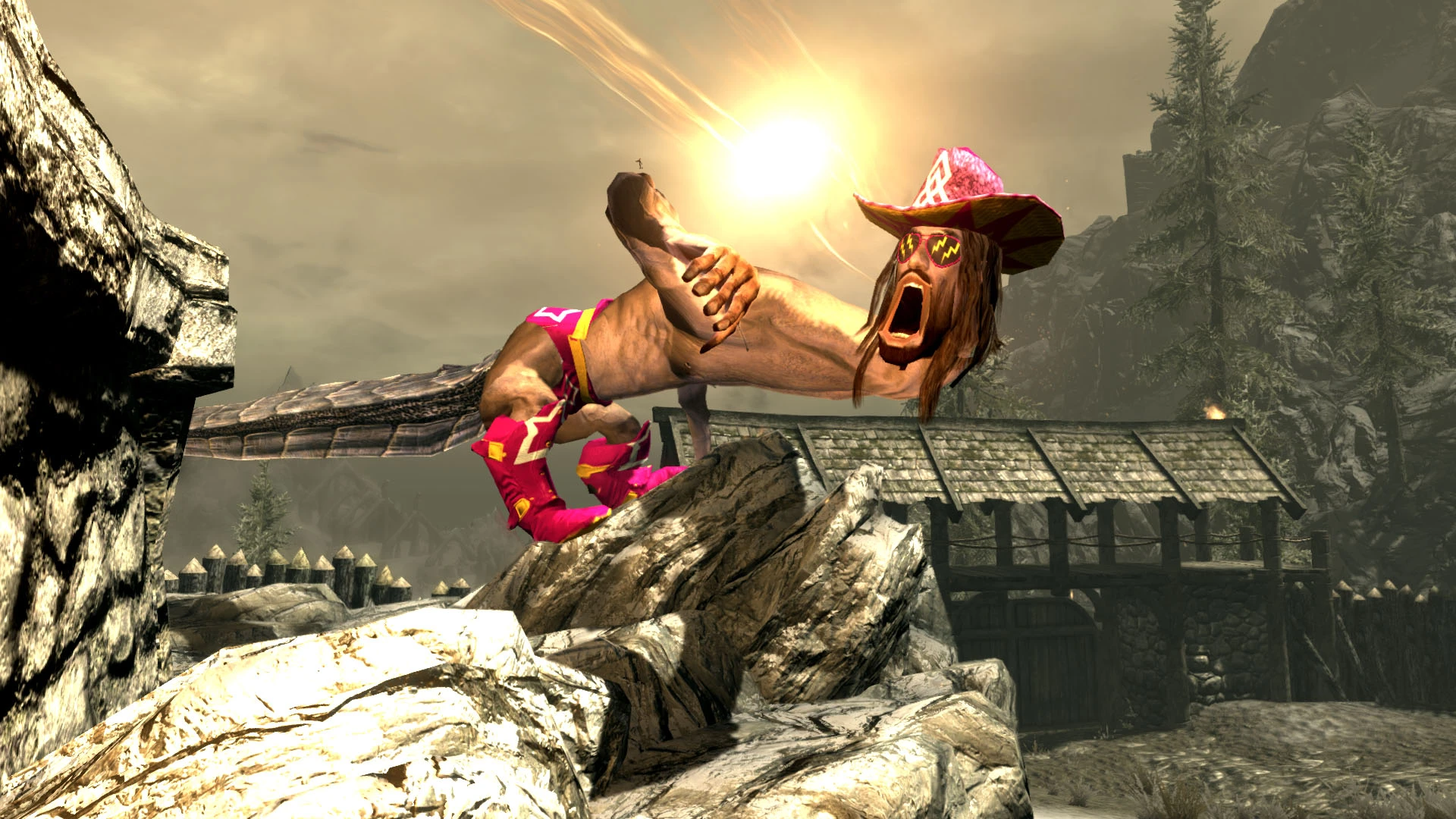
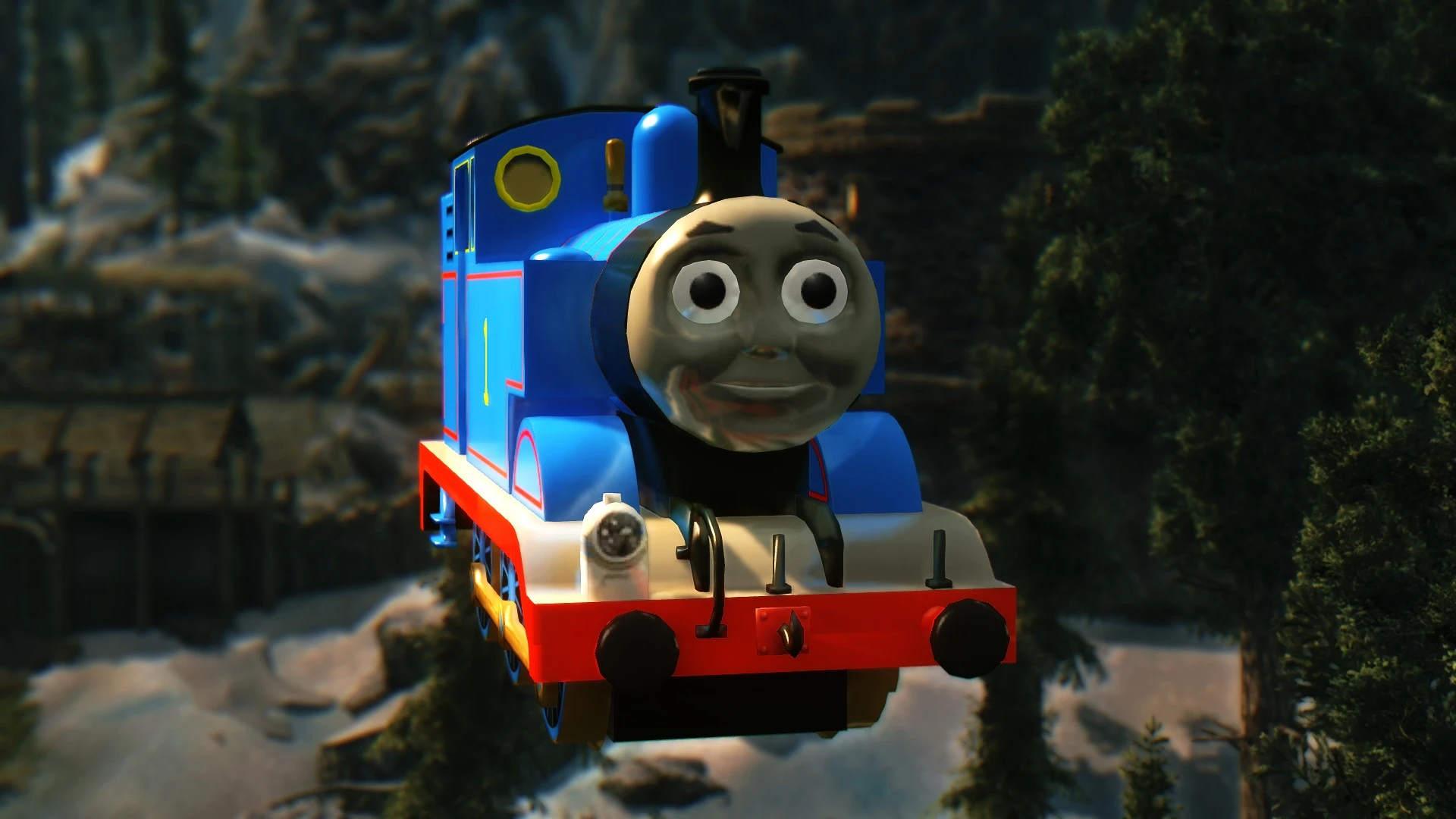
At some point, Bethesda noticed that the modding scene for Skyrim was drawing a massive amount of attention. Mods did all sorts of things, from silly things like transforming dragons into Macho Man and Thomas the Tank Engine to adding new quests and characters to the game. Surely, Bethesda thought, there must be a way to harness the fans’ fervent energy to generate even more revenue for their company.
However, Bethesda fumbled this opportunity. What Bethesda didn’t understand was that mods were popular because they were by fans, for fans, for free. When they tried to launch their Creator’s Club program in 2017 to (effectively) monetize mods for Fallout 4 and Skyrim, the community turned against them. The most popular mod available for Fallout 4 through the Creator’s Club system had one function: to remove the Creator’s Club from the game. The system was an utter failure.
Even so, Bethesda made the wise decision to let their fans continue to make and distribute mods outside the Creator’s Club. They were unable to directly monetize mods, but even today, they still passively benefit from the attention that mods bring to their games.
Valve: “Here are some tools. Go nuts.”
In contrast to Bethesda, Valve understood that the best way to take advantage of mods and fan games is to support their development while taking a hands-off approach. When Valve created the Source engine for games such as Half Life 2, Portal, and Team Fortress 2, they made the engine and its developer tools available to the community through Steam. They also added integration with Steam so that creators had an easy way to distribute their mods and standalone fan games. Then they took a step back and waited.
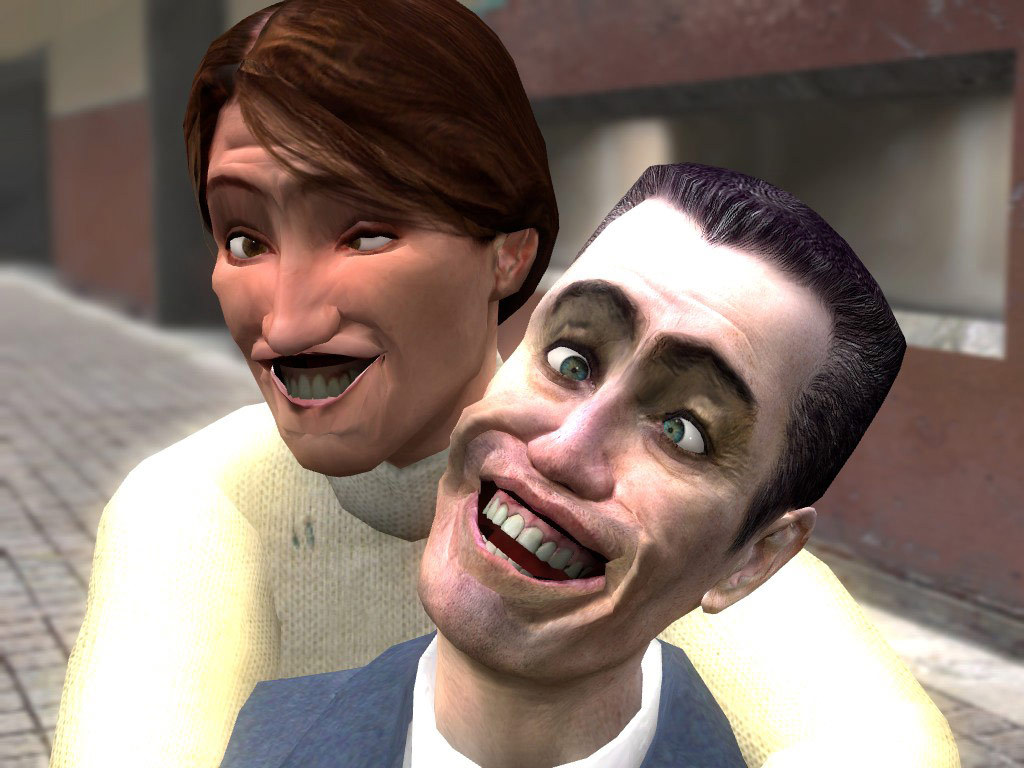
The results were astounding. Garry’s Mod, a standalone game/mod that turns the Source engine into a physics sandbox, took the world of PC gaming by storm. The experimental narrative game, The Stanley Parable, was originally released as a mod for Half Life 2, and after receiving critical acclaim, it was remade from the ground up in the Source engine and released as a standalone game. Black Mesa, the “fan-made re-imagining of Valve Software’s Half-Life,” expands upon Valve’s original groundbreaking game and is for sale on the Steam store. With little effort, Valve reaped massive rewards by supporting their community’s mods and fan games.
Nintendo: “Don’t even think about it.”
At the totally opposite side of the spectrum from Bethesda and Valve, we find Nintendo. Despite their friendly appearance, Nintendo is extremely territorial about their intellectual properties and shuts down any fan projects that infringe on their copyrights. A few notable casualties of Nintendo’s wrath include the following:
- AM2R (Another Metroid 2 Remake), an unofficial remake of the 1991 Game Boy game Metroid II: Return of Samus, was shut down after Nintendo sent a DMCA takedown notice to the creator.
- Project M, a popular mod in the tournaments for Super Smash Bros. Brawl, ceased development after Nintendo threatened legal action against its developers and tournaments that livestreamed gameplay of the modified version of the game.
- Super Mario 64 Online, a mod for an emulated version of Super Mario 64 that adds online multiplayer to the game, was issued a cease and desist order less than a day after its launch.
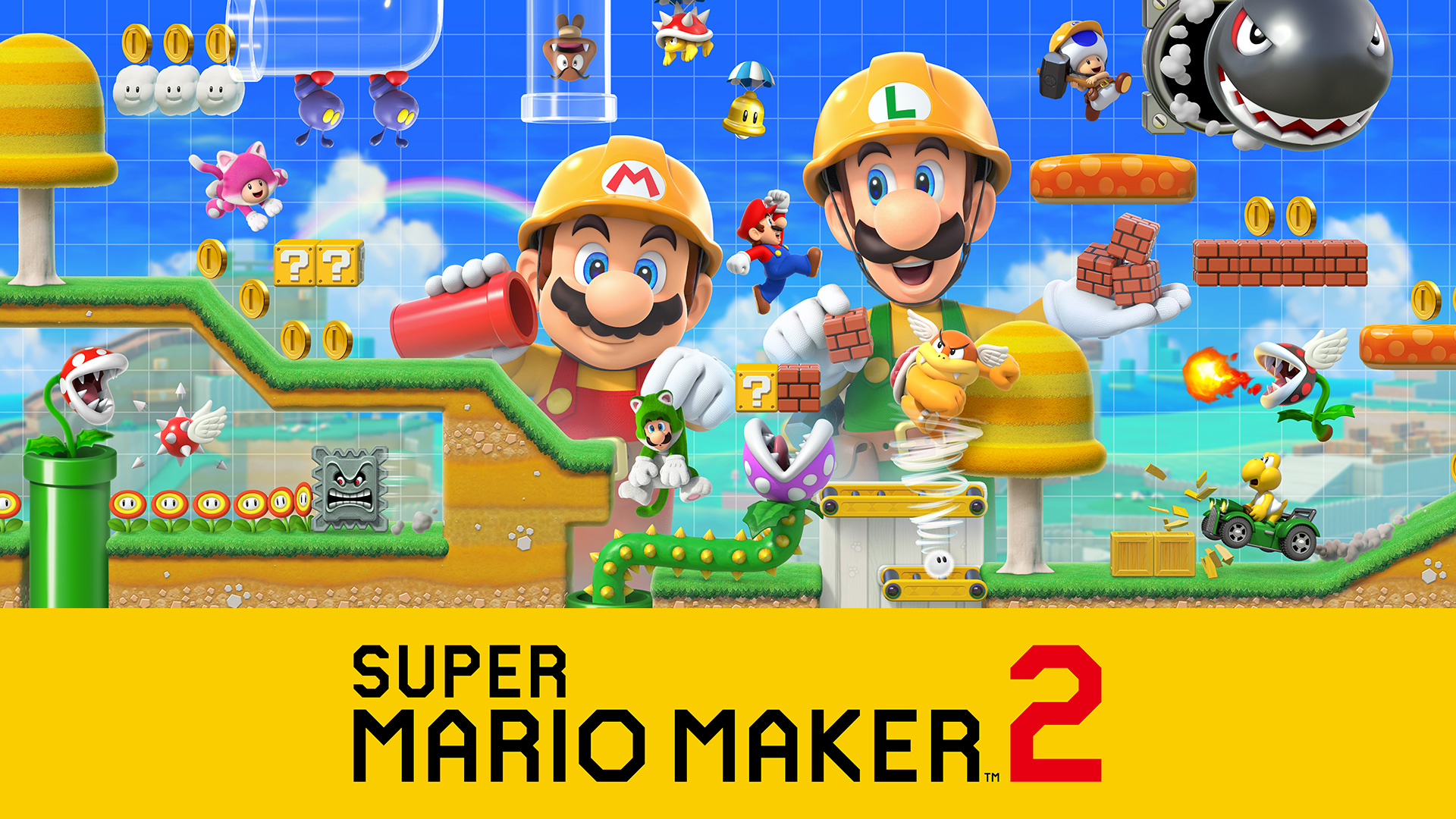
These are just a few examples. Nintendo has issued hundreds of cease and desist notices to loyal fans, and in more serious cases, issued lawsuits totaling millions of dollars for counterfeit trademarks and copyright violations. Not long after a purge of websites hosting pirated copies (known as ROMs) of classic Nintendo games, Nintendo released Super Mario Maker 2. This game allows players to express their creativity with Nintendo’s classic Mario series, but it still doesn’t grant the freedom that was offered by directly modifying the ROMs of older Mario games.
At least Nintendo makes their message abundantly clear: they don’t want anyone else touching their intellectual property for any reason. Everything related to Nintendo must remain tightly under Nintendo’s control and provide their pure, carefully crafted, Nintendo experience.
Concluding Thoughts
While I understand the need to protect copyrights, I personally feel that Nintendo’s view towards mods and fan games is unnecessarily hostile. Instead, I look at Valve as an example for how to support excited fans and benefit both sides simultaneously. Mods and fan games inevitably exist in a gray area where copyright laws have trouble defining what is and is not acceptable. It is up to developers and publishers to decide how they will address their fans’ passion projects, and for the benefit of everyone, I hope that more developers and publishers will embrace their fans who want nothing more than to support the games they love.
 Kevin Stiles' Game Design Blog